This approach ensures educators and students are confident, engaged, and prepared for a greener future.
Driving Education for Sustainable Development
Through an innovative Education for Sustainable Development (ESD) Fellowship, DCG has explored how sustainability can be embedded meaningfully within curriculum areas such as Engineering, Fashion Business & Retail, T-Level Science, Creative Media, Business, and Inclusion Pathways.
Making Sustainability Contextual and Career-Focused
Led by Sophie Harris, the Fellowship focused on contextualisation—linking sustainability directly to subjects educators already teach and careers learners aspire to.
This ensures sustainability is not an abstract concept but a practical skill aligned with real-world opportunities, by framing sustainability through vocational contexts, educators introduced environmental, social, and economic sustainability naturally within lessons, projects, and assessments.
This approach empowers educators and helps students see how eco-conscious practices fit into their chosen professions.
Impact and Outcomes
- 88 educators completed tailored professional development sessions.
- 87 students and 58 educators contributed to voice research.
- 93% of educators reported sustainability now feels relevant to their subject.
- 74% of students prefer sustainability learning linked to future careers.
Pilot projects with Creative Media and Business students showed dramatic results—student recognition of sustainability in creative media rose from 18.2% to 100% in eight weeks.
Industry Collaboration and Green Skills

Derby College Group students at London Fashion Week, exploring sustainable fashion and eco-conscious design as part of their education programme.
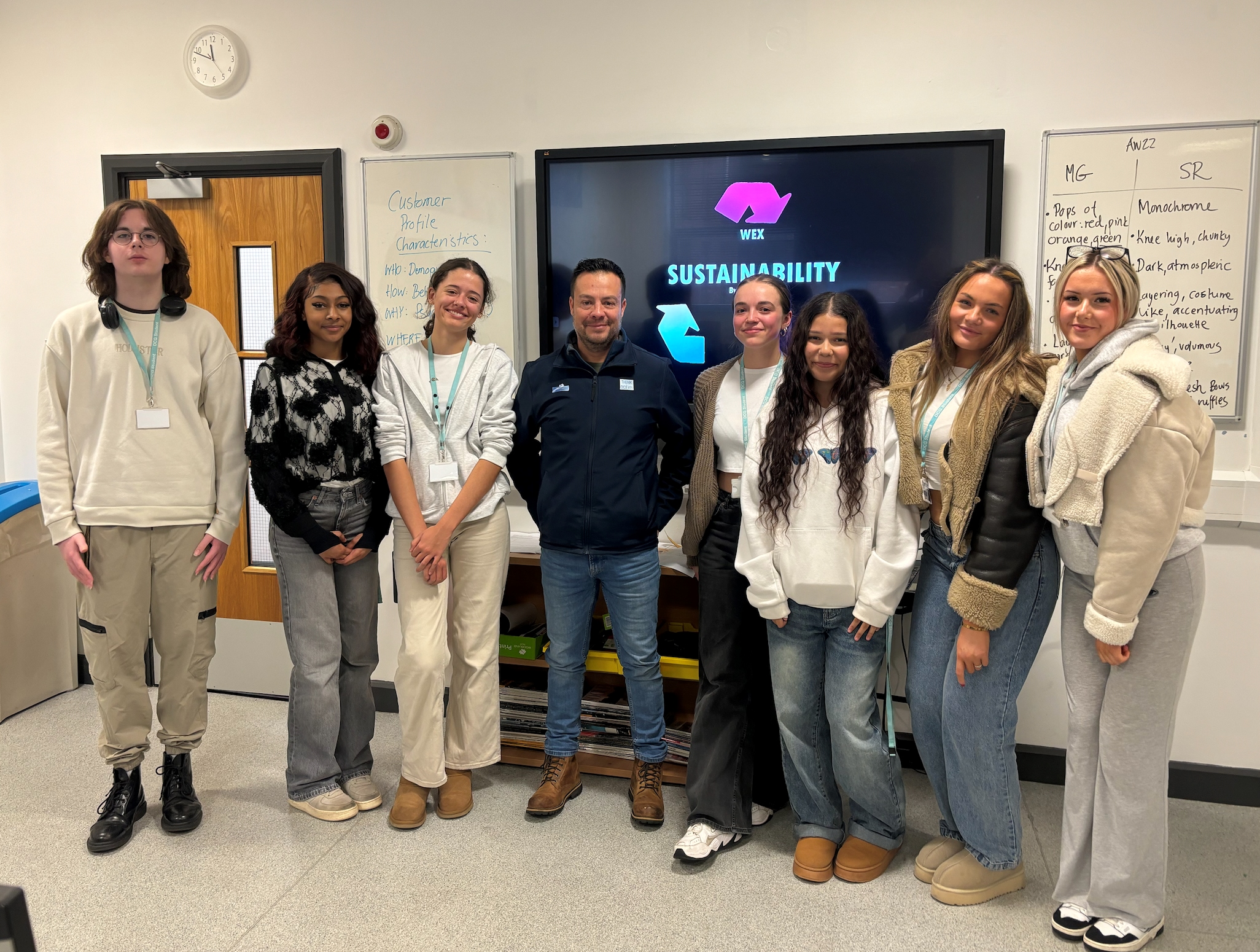
Employer engagement was central to the Fellowship. Students worked on live briefs, developed sustainable product ideas, pitched to employer panels, created podcasts and exhibitions, and even attended London Fashion Week.
These experiences built essential green skills—communication, teamwork, problem-solving, and creativity—while strengthening links between education and industry.
A Cultural Shift Towards Sustainability
Reflecting on the impact, Sophie Harris said:
“When sustainability is taught through subjects educators already master and learners have chosen to study, it becomes far less intimidating. Contextualisation helps demystify sustainability, allowing it to be explored with confidence and curiosity.”
This work has driven a cultural shift at DCG, moving sustainability from a tick-box exercise to a strategic priority. It supports DCG’s aims around green careers, workforce readiness, and Local Skills Improvement Plan (LSIP) priorities.
Looking Ahead
Building on this success, DCG will continue investing in professional development, curriculum innovation, and employer collaboration, ensuring sustainability remains embedded at the heart of teaching and learning.