
BTEC Level 3 Foundation/Extended Diploma in Music (Production or Performance)
This course is offered in two pathways (performance or production) and aims to provide a broad skills base for progression to the second year of the Extended Diploma.
Course Summary
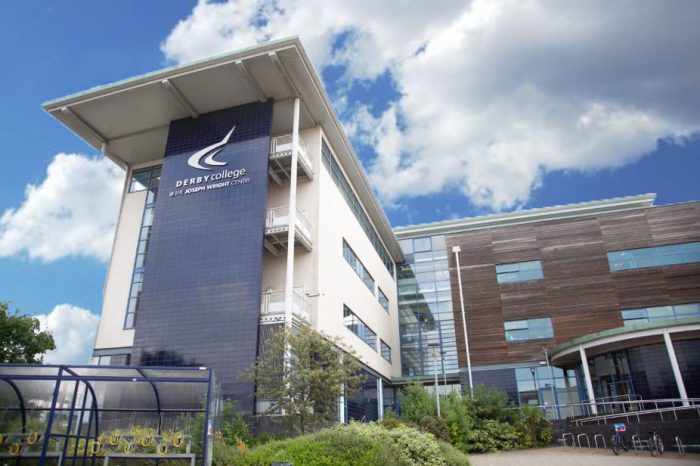
Course Information for Students
Who is this course for?
On the Performance Pathway, the main focus is music performance, underpinned by associated theoretical and technical skills alongside professional development in relation to the music industry.
On the Production Pathway, the main focus is music production, underpinned by associated theoretical and technical skills alongside professional development in relation to the music industry.
The course is suited to students who have an interest in studying music following GCSE or independent music lessons.
If you do not have GCSE Maths or English at grade 4 or higher, you will also develop your skills in maths or English. This will support your main programme of study, help your future progression and enhance your life skills.
Entry Requirements
You will need four GCSEs at grade 4 or higher, including English Language and preferably Maths. Alternatively, you may have a BTEC Level 2 Diploma at Merit or Distinction level along with GCSE English Language at grade 4.
For Music Performance, you must also be able to play an instrument or sing to grade 4 standard, and you will need to attend an audition where your practical skills and music theory knowledge will be assessed.
For Music Production, you will also need to provide evidence of some experience in music technology, for example a project using music software.
What will you learn?
Units studied will include:
Music Performance Year 1
- Performing – understanding the responsibilities and the professional requirements of being a member of a band through choosing or creating material and rehearsing. Performing regular gigs every half term as a member of a band at local venues. Studying and developing effective technique and rudiments. Learning the basics in using rehearsal equipment such as rehearsal PAs and microphones.
- Creating musical material – Every student has an opportunity learn and develop music software skills through tuition at their individual Digital Audio Workstation. We explore a range of musical purposes investigating and creating both music and sound for video games, film and other moving image based projects.
- Using musical styles – studying and interpreting musical characteristics for specific genres and eras in composing, arranging covers and performing. Learning the basics in studio recording equipment and the music software Logic Pro in creating musical arrangements for differing styles of music and differing types of ensembles.
- Music industry – understanding how the music industry organisations and systems work, including the areas of record labels, music publishing, music management and live performance sectors and studying business strategies to support your music career.
Music Production Year 1
• Studio Recording – Understanding the characteristics of acoustics and how to use studio equipment such as a mixing desk, monitoring devices, types of microphones etc… Learning to record through developing skills using Logic Pro to multitrack a variety of live instruments, as well as mixing techniques including effects, compression and EQ.
• Creating musical material through production – Every student has an opportunity learn and develop music software skills through week by week tuition at their individual Digital Audio Workstation. We explore a range of musical purposes investigating and creating both music and sound for video games, film and other moving image based projects. Students will be given the opportunity to explore the genres and instrumentations that interest and excite them.
• Music Technology and Live Events – Learning how to select, set-up and operate live sound equipment such as monitors, PAs, mixing desks and types of microphones for both analogue and digital systems on our music department stage. Studying acoustics, effects and characteristics of the sound source you will learn how these elements affect a performance. Developing planning and problem solving skills are part of the course.
• Music industry – understanding how the music industry organisations and systems work, including the areas of record labels, music publishing, music management and live performance sectors, discovering music related job roles and career pathways, the influence of the law on aspects such as copyright and employment, and studying business strategies to support your music career.
Music Production and Performance Year 2
Solo music project – creating an individual portfolio, through developing specialist skills in the College classrooms, studios and rehearsal rooms, such as creating, producing, engineering and recording an EP or organising and engineering your own event
• Personal music profile – studying the requirements of successfully reaching and connecting with the target audience, power of image and branding, and practically transferring this knowledge into creating marketing materials and campaigns. Working towards developing your professional personal profile through platforms such as social media and websites.
• Collaborative music project – working as a member of specialist team, experiencing both a creative role such as producing a band’s EP or collaborating with other composers on an event, together with an organising role in a business venture.
How will you learn?
This course will be delivered on-site.
What will you need to bring with you?
Music Performance and Production – you will need to have your own pair of headphones, earplugs and a USB memory stick. You will also need to have your own instrument where applicable.
How will you be assessed?
Assessment is 100% through coursework with practical and theoretical-based assignments.
Learners studying Maths or English if a grade 4 has not be previously achieved, you will be assessed through a controlled assessment or final exam.
Where next?
Upon successful completion of this course, learners can progress to the BTEC Extended Diploma in Music or Production. Most of our students progress to university to continue their studies in fields such as music or music production or to take other courses related to the music business. Others have progressed directly into industry.
Who do you contact for more information?
For more information, contact Derby College Group on 0800 0280289 or enquiries@derby-college.ac.uk
Course Information for Employers
Information for Employers
Career Information
DCG Success Stories
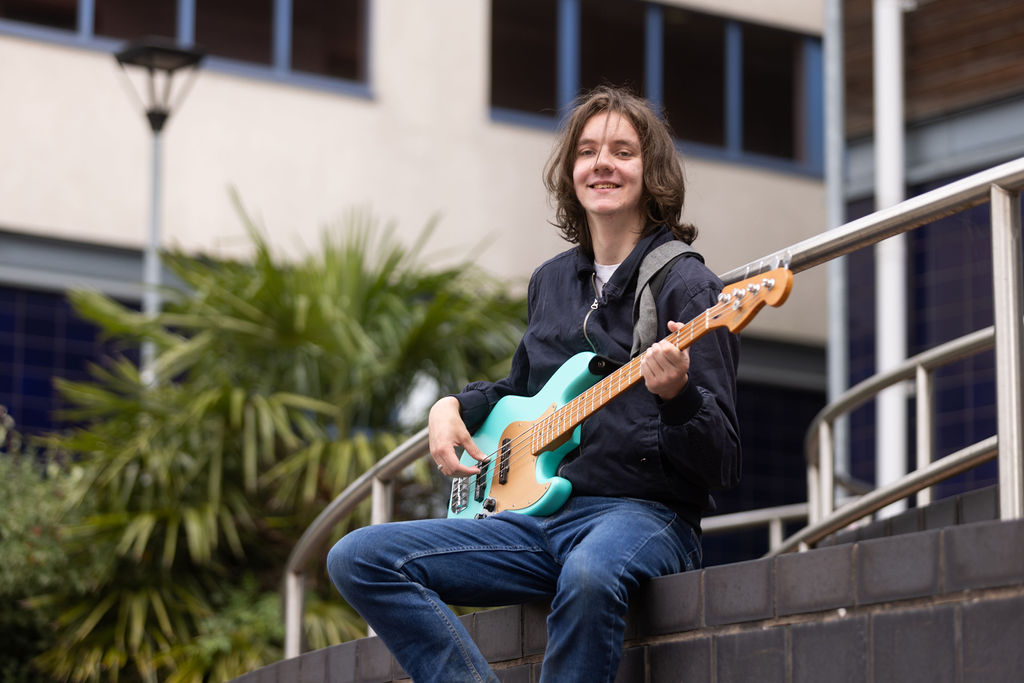
Declan Dean
Bassist and former DCG music student Declan all set for LIPA
I really liked Joseph Wright. The music studio is so good.

Owen Doherty
Owen one of two DCG music students to win place at prestigious LIPA
It was my music lecturer, Matt Shirtliff, who talked to me about options to study music at university, so I decided to apply to LIPA. It was good careers advice.
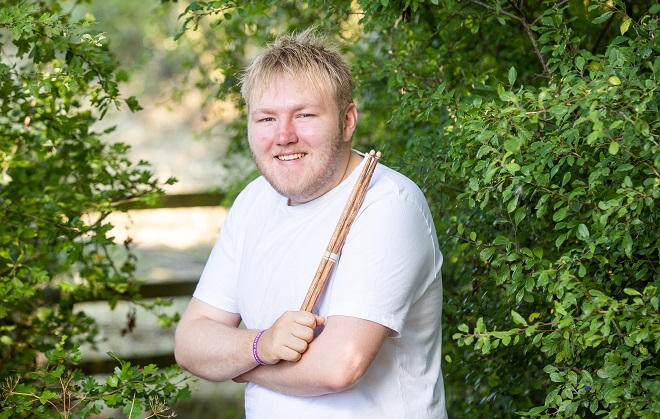
Tom Spray
Marseille drummer Tom glad he studied music at DCG
We got chance to do gigs at college which really helped my playing and got me more used to being on stage.

Harriet McDonnell
Rock band Muddibrooke set on right track by Derby College
I would recommend Derby College and the music course to anyone thinking about pursuing a career in the music industry.
Find out what funding could be available to you:
Thinking about returning to education or developing new skills? Use our funding calculator below to get an estimate of the financial support you may be eligible for based on where you live.
Whether you’re looking to retrain, progress in your career, or try something new, funding could make your next step more accessible than you think.
Simply enter your postcode into the calculator to see an estimate of the funding that may be available in your area. This is based on regional funding allocations and typical eligibility criteria for adult learners.
Important:
The results shown are a guide only and are not a guarantee of funding.
Funding availability can vary depending on:
- Your personal circumstances (such as age, employment status, and prior qualifications)
- The course you choose
- Government and local funding rules at the time of enrolment
If you’re considering adult learning, there’s never been a better time to explore your options.
Our courses are designed to fit around your life, with flexible study options and expert support every step of the way.
Find out more about the courses available. Adult Courses
If you have any questions about funding, eligibility, or courses, our team is here to help. Contact Us

Course Information Last Updated On: October 7, 2026 8:53 am
